
From Study to ED: Emma's Nursing Journey
Tuesday, 12 May 2026
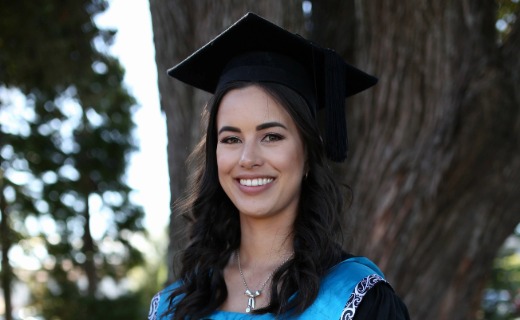
To mark International Nurses Day today, 12 May, Toi Ohomai Bachelor of Nursing graduate Emma Henstock shares her experience of working in acute care at Tauranga Hospital, and what she values most about her chosen vocation.
Emma completed her degree in 2023 - the same year she received the Waikato Women’s Federation Award for Theory and Practice Excellence. After graduating, Emma began her nursing career with Hauora a Toi Te Whatu Ora (Health New Zealand), starting in Tauranga Hospital’s Assessment and Planning Unit (APU) before moving into the Emergency Department (ED).
What do you love about nursing?
“It is truly a privilege to work as a nurse. We get to walk alongside people on some of the best and worst days of their lives, and people put their trust in us to work in the best interests of their health and wellbeing. Making a difference in people’s lives is really rewarding. I also love the academic aspect of nursing. I love using assessment skills, evaluating and working with colleagues to ensure we provide patients with the best care. As a nurse you’re continuously learning, growing and developing new skills. That is one of my favourite aspects of the job.”
What makes a great nurse?
“It’s not some profound thing, oftentimes it’s just getting the basics right. It’s actively listening, showing compassion and providing competent care in the space that people let you into.”
What is it like working in ED?
“Every day is different. You have to be flexible and adaptable because you never know what’s coming next, but that’s all part of it. I enjoy working in acute care, and I’m really expanding my horizons now in ED. There are so many new things to learn, and reintroducing different aspects, such as paediatric nursing, has been really rewarding. I get to work with incredible colleagues who are extremely kind, passionate, knowledgeable, and resilient.”
What are you most proud of achieving since entering the workforce?
“Reflecting on the last few years of my career, there isn’t a single standout high point. Often the most meaningful moments are subtle; a shared connection, catching something before it goes wrong, advocating for someone, or simply the camaraderie with colleagues. End‑of‑life care, however, is an aspect of my role that I find deeply important. It’s a space where the care provided makes a really big difference for patients and their whānau. I once supported a family through a very sudden loss, and in the weeks that followed they sent me a sincere thank you letter. That experience reaffirmed why we do what we do.”
Looking ahead, where would you like your nursing career to take you?
“I’m still enjoying the journey and figuring out where the road is going to take me. I’m currently working on my postgraduate study and ticking off papers to expand my knowledge. The nurse practitioner route is something I’m hoping to explore, but I’m happy honing my emergency skills for a while yet.”
What would you say to someone considering a career in nursing?
“There are so many different types of nurses, and nurses doing incredible things, in spaces you would never even think of. I think that’s part of the beauty of it. With so many specialities, there’s bound to be something for everyone no matter what kind of nursing you enjoy. Nursing can be hard, don’t get me wrong, but the human spirit is inspiring and making a difference is hugely rewarding. I’m very lucky to work in a career with job security and endless options, despite the challenges we sometimes face.”
About International Nurses Day
International Nurses Day is celebrated annually on 12 May, the birthday of Florence Nightingale – the founder of modern nursing. This year’s theme recognises the extraordinary work nurses do every day to save and improve lives globally.
Toi Ohomai Programme Manager for Nursing, Dr Judith Honeyfield, says the institute is proud to help shape and grow Aotearoa New Zealand’s future nursing workforce today and everyday.
“Like Emma, so many of our nursing graduates make a profound impact on the lives of others, their whānau and friends. Alongside our clinical partners, it's an honour to educate nurses who’ll go on to contribute significantly to the wellbeing of people and communities across Aotearoa New Zealand, and further afield.”